
Cut, Colour, Carat and Clarity: The Best Value in Lab-Grown Diamond Jewellery
Shopping for a diamond sounds simple until you realise how many decisions are hiding behind that sparkle. Cut. Colour. Carat. Clarity. Four short words that somehow decide whether a gem is “good enough” or a complete showstopper. With lab-grown diamonds, the rules feel a little different. The stones look the same as mined diamonds. They sparkle the same. Yet the value game has shifted in a way that can actually work in your favour.
So how do you pick the right one without feeling like you’re guessing? Our experts from Anitraa, one of the best lab-grown diamond jewellery brands in India, helps us to understand in a way that feels less like homework and more like real shopping logic.
Cut: The Sparkle You Actually See
If colour is what your eye notices first and carat is what everyone asks about, cut is what quietly decides whether the diamond truly shines.
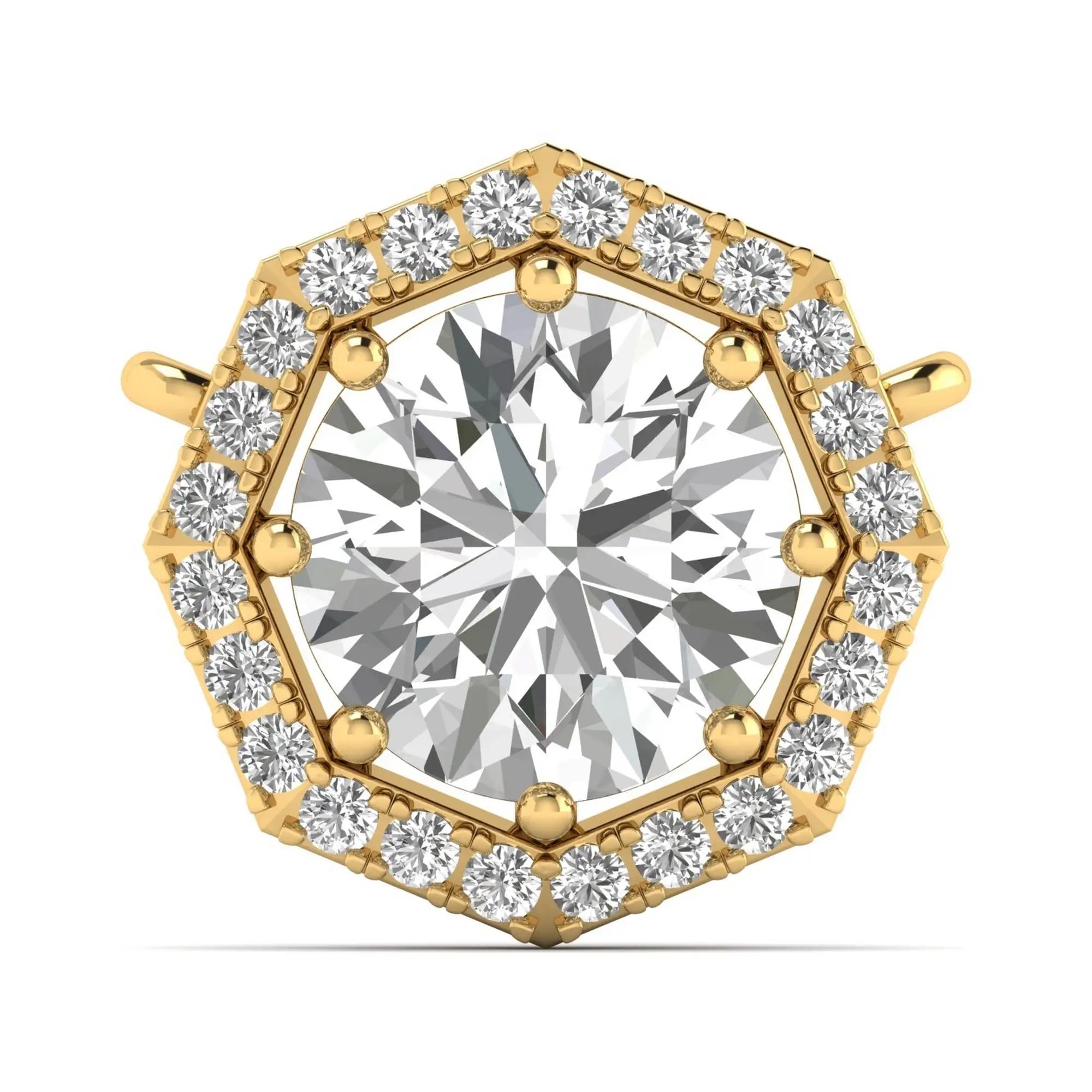
Cut has nothing to do with shape. Round, oval, princess — that’s style. Cut is about how well the diamond’s facets are crafted and aligned. It’s the geometry behind the sparkle. When light enters the stone, a well-cut diamond reflects it back beautifully. A poorly cut one lets light leak out, which makes it look dull no matter how big or colourless it is.
When you see two diamonds with the same carat and colour grade. On paper, they were twins. In real life, one looked alive and the other looked tired. The only difference was cut.
With lab-grown diamonds, you have the advantage of choosing excellent or very good cut grades without stretching your budget the way mined diamonds sometimes force you to. If you’re trying to balance the four Cs, prioritise the cut first. A slightly smaller diamond with a superior cut will almost always outshine a bigger stone with an average one. Because at the end of the day, sparkle is what people notice. Not the grading chart.
Why Colour Matters More Than You Think
When you first see a diamond, your eye is drawn to its brightness. It’s instinctive. Colour is usually the first thing that makes you go wow or hmmm. Lab-grown diamonds come out of the reactor in a range of colours. Some are icy white. Some lean slightly warm. Most fall in between.
The funny part is that small shifts in colour grade can change the price more than your eyes can tell. An F and a G often look the same unless you’re studying them under those bright store lights. Many of us remember the first time we compared them side by side. The jeweller kept turning the lab-grown diamond solitaire rings in brilliant designs like they were tiny disco balls. And honestly we couldn’t spot the difference, and neither could the friend who came with us.
If you want good value, aim for something in the near-colourless range. It balances beauty with sanity.
Carat: The Number Everyone Talks About
Carat is simple. Bigger stone, bigger number. We’ve all heard someone say they want a “one carat ring” like it’s some magical threshold. There’s something satisfying about hitting a round number. But in real life, a diamond that’s just shy of a carat can look the same and cost much less. If you hold a 0.9 next to a 1.0, your eyes will not measure the difference. They won’t even try.
Lab-grown diamonds make this even more interesting. Because the cost of creating a larger stone is not tied to digging deeper or sorting through more rock, prices don’t jump the same way mined diamonds do. That means you can get a bigger lab-grown diamond solitaire ring without emptying your bank account. It’s one of the reasons people are switching.
Customers pick up a stone and tilt it toward the window, hoping for that perfect flash of light. Sometimes the smaller stone shines harder. Cut plays a huge role, but for now, think about what size feels right on your hand rather than chasing a number just because it sounds nice.
Clarity: The Secret You Don’t Need to Stress Over
Clarity sounds scary. It brings to mind tiny flaws and microscopes and jewellers who frown a little too hard. In lab-grown diamonds, many of those scary sounding imperfections are so small you’ll never notice them. Honestly, most people don’t even know where to look.
If an inclusion isn’t visible to the naked eye, it won’t affect your day. Or your photos. Or the way the ring sparkles when you lift your hand to grab your phone. Eye-clean stones are the sweet spot here. The latest lab-grown diamond jewellery designs give you the look of perfection without paying for perfection on paper.
A small tip from experience. When you’re checking clarity, don’t rely only on the chart. Hold the diamond. Move it around. Tilt it under warm indoor lighting instead of those bright white store lamps. That’s where you see how it lives in the real world.
How to Balance the Three and Walk Away Happy
The magic of lab-grown diamonds is that you don’t have to compromise as much. You can choose a near-colourless stone, stay just under the one carat mark, pick an eye-clean clarity grade, and you’ll have a gem that looks stunning in every setting.
Think about what matters to you the most. Some people love the icy look. Others want size. Some care about price above all. There’s no wrong combination, only the one that makes you want to stare at your hand a little longer.
At the end of the day, buying a diamond is part logic and part emotion. You want something that feels special. Lab-grown diamonds let you get that feeling without the usual pressure. And if you know how to play the colour, carat and clarity game, you’ll walk out with a stone that feels like you won the smart shopper award.